Ticks & Alpha-gal Syndrome
PROJECT 002 — The Steven Booth Journal
New Perspectives on Illness That Persists
Dr Steven Booth Transpersonal Acupuncture · Byron Bay
The Five-Second Answer
Can a tick bite give you a meat allergy? Yes, and Australia has among the highest rates of this condition in the world. A single bite from the eastern paralysis tick can permanently alter how your immune system responds to red meat, producing reactions that arrive hours later, often in the middle of the night. The standard advice is avoidance. There is more to the story than that.
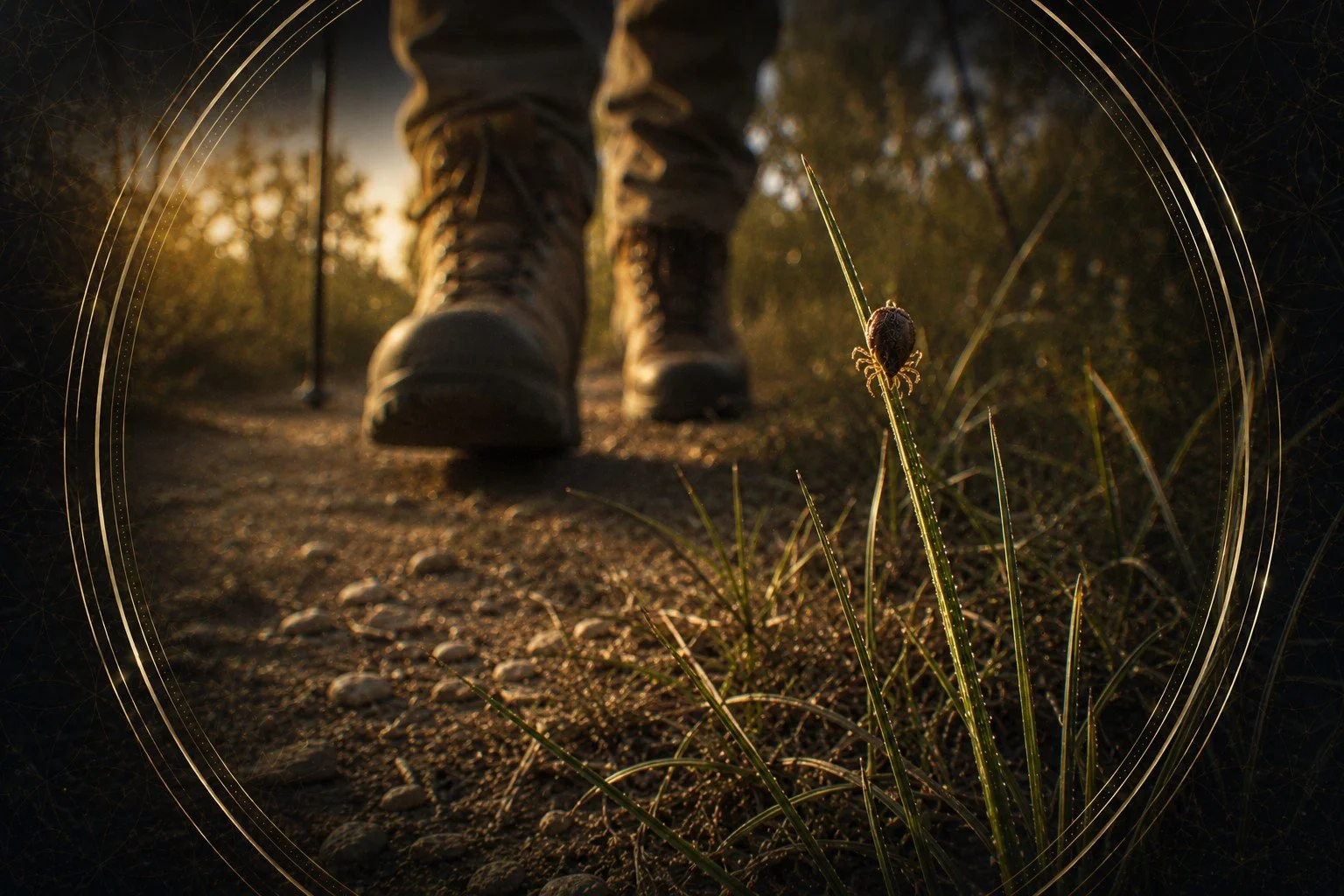
A tick waits at the tip of a grass blade as a walker passes, unaware. This is how almost every case begins.
Evidence Guide
Throughout this article you'll see ideas drawn from several different traditions of knowledge.
🟢 Established Physiology Concepts well supported by modern research, including heat transfer, thermoregulation, circulation and sleep physiology.
🟡 Classical Chinese Medicine Ideas drawn from the classical literature and long-standing clinical practice.
🔵 Clinical Observation Patterns commonly observed in practice over many years but difficult to isolate in controlled studies.
🟠 Informed Synthesis Places where modern physiology and Chinese medicine appear to be describing related observations through different conceptual frameworks.
⚪ Contested Ground Ideas and observations that sit beyond the current consensus, where the evidence is building, the mechanisms are debated, or institutions have not yet caught up with what practitioners are seeing.
In this piece you will find
Why no single framework — conventional, integrative or traditional — holds the whole picture of an illness like this
Whether the meat allergy is permanent, or whether the sensitivity can ease over time
What the classical idea of Gu syndrome adds to the modern understanding of chronic tick-borne illness
What actually helps beyond avoidance: SAAT, Chinese herbal medicine, frequency medicine and emerging therapies
How to remove a tick safely in Australia, and why "freeze it, don't squeeze it" matters
Some of the most stubborn illnesses begin with a bite you never felt.
A few months ago I noticed something I couldn't ignore.
Despite living here in the Northern Rivers for only a handful of years, alpha-gal syndrome and other tick-related illnesses used to be a rarity, in my clinic at least. Now they are a regular part of my week. Some weeks I see several in the space of a few days.
Bushwalker, gardener, horse rider, tradie, or just someone who likes being outdoors. Whoever you are, ticks are part of the health conversation here now.
And as soon as you start talking about ticks, the conversation runs well beyond medicine.
Alongside the established science sits a growing body of alternative narratives, around the origins of Lyme disease and alpha-gal, as well as tick-borne illness more generally. Some people point to historical research into vector-borne diseases. Others speculate about engineered pathogens, with ticks used deliberately as vectors, depopulation agendas, changing food systems, or the public friction between figures such as Bill Gates and Robert F. Kennedy Jr over what public health policy is really for.
Many of my own patients have met these ideas and formed their own views.
This article won't try to prove or disprove any of them. Its purpose is more practical. To set out what we do know about ticks. To look at the illnesses they cause through several lenses, from modern medicine to Chinese medicine to the lived experience of the illness itself. And, above all, to talk about what actually helps: prevention, treatment, recovery.
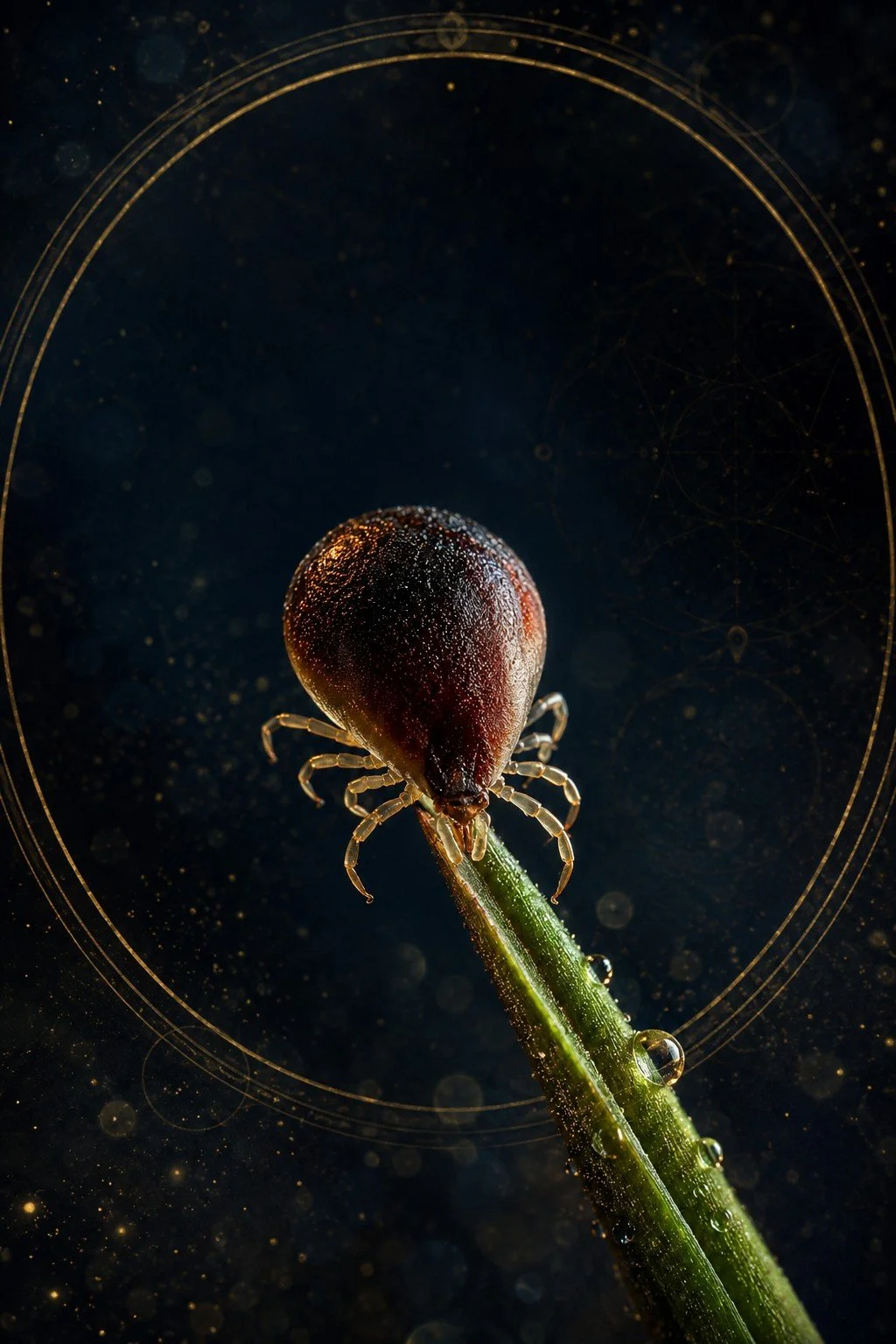
While I was researching, a friend told me a story from her childhood here.
She used to collect paralysis ticks from the bush and take them to the local vet, who paid her about forty cents for every live one. It sounded almost unbelievable. A child earning pocket money by gathering one of Australia's most dangerous parasites.
It turns out it was entirely real
Researchers needed wild ticks in huge numbers, to study their biology, keep laboratory colonies, and make the antiserum vets used against tick paralysis in dogs. Every tick she brought in fed a much larger effort to understand a uniquely Australian hazard.
There's something quietly remarkable in that. We spend our lives trying to avoid ticks, and forget how much work has gone into understanding them. Before today's preventatives, paralysis ticks killed countless pets a year. Behind every vial of antiserum were researchers, clinicians, and the occasional child with a jar.
Many of the advances we take for granted were built one tick at a time.
Understanding Alpha-gal Syndrome Through Different Lenses
🟢 Established Physiology · 🟠 Informed Synthesis
Alpha-gal syndrome is one of the most fascinating conditions to reach mainstream medicine in decades.
A tick bite triggers it. The immune system starts producing antibodies against galactose-alpha-1,3-galactose, alpha-gal, a sugar found in most mammals but absent in humans and other primates. The result is a delayed allergic reaction, hours after eating beef, lamb, pork or venison.
Most food allergies announce themselves in minutes. This one often waits until the middle of the night. Which makes the link between cause and effect surprisingly hard to see.
To conventional medicine, this is a story of immunology. A single bite can change how the immune system reads a once-harmless substance, turning everyday food into a trigger for hives, gut distress, fatigue, or in some people anaphylaxis.
The immune system is not static. It is adaptive, plastic, always learning from its environment. For better and, occasionally, for worse.
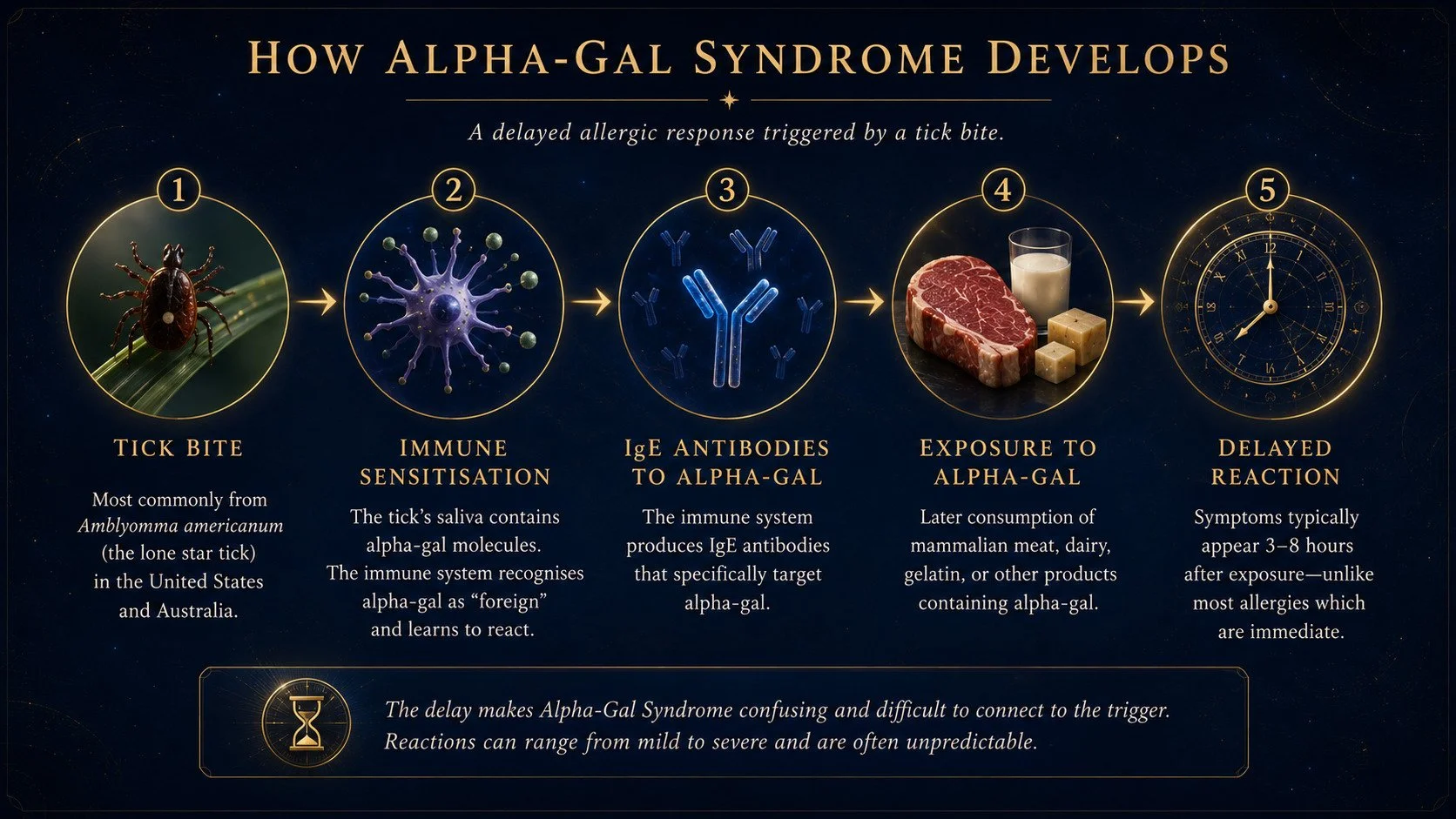
How alpha-gal syndrome develops: a tick bite sensitises the immune system, and a reaction to mammalian food can follow hours later.
Functional and integrative medicine widens the question. Not only what the immune system is reacting to, but why it became susceptible in the first place.
Attention turns to intestinal permeability, microbiome diversity, mast cell activation, chronic inflammation, nutrient status, mitochondrial resilience, toxic burden, nervous-system regulation, the cumulative weight of repeated stress.
The bite may be the trigger. The terrain it lands in decides how bad it gets, how long it lasts, and how well it heals. So restoring tolerance is never just avoiding red meat. It means rebuilding resilience across many connected systems.
Chinese medicine speaks a different language again. Here, alpha-gal looks like an external pathogenic influence that has driven deep into the body's regulatory networks instead of staying at the surface.
The delayed reactions, the shifting symptoms, the stubborn hypersensitivity all point one way: a body that has lost the ability to tell self from non-self, and to regulate the smooth movement of Qi, Blood and Protective Qi (Wei Qi). Many patients show a tangle of residual pathogens, latent Heat, Dampness, Blood stasis, and deficiency across the Spleen, Liver and Kidney.
The condition lingers, long after the bite has healed. That is exactly what the old concept of Gu syndrome describes: something embedded so deep it resists ordinary treatment, and yields only to patient, methodical work.
The psycho-spiritual layer is different again. Anyone living with alpha-gal soon learns it is more than a dietary nuisance.

Eating is one of our most basic acts of trust in the world.
Suddenly it is uncertain. Gatherings get complicated. Travel takes planning. Every meal carries a note of vigilance.
Over time that alertness reshapes a person's relationship with safety, nourishment and belonging. The nervous system learns caution. Hypervigilance starts to make sense.
So recovery is not only calming immune cells. It often means giving the body back a felt sense of safety.
A transpersonal view widens the lens once more. Not only what has gone wrong, but what the experience is asking of the person.
Chronic illness interrupts a familiar identity and forces new ways of relating to yourself, your body, the natural world. Alpha-gal can become an invitation: to attend more closely to your environment, to grow more discerning about nourishment, to respect the intelligence of the immune system, to marvel again at how the body adapts.
None of this romanticises suffering, or says the illness happened for a reason. It only notes that hard things sometimes become the start of real growth.
Each lens describes the same condition in a different language. Immunology explains the machinery. Functional medicine maps the terrain. Chinese medicine reads the pattern and the way back. The psycho-spiritual and transpersonal views show what it is like to live it.
No single model holds all of that. Together they come close.
Gu Syndrome: An Ancient Framework for a Modern Problem?
🟡 Classical Chinese Medicine

The sealed vessel. In the Japanese art of kintsugi, what was broken is mended with gold, and the mend becomes part of the whole.
Among the many concepts preserved in the classical literature of Chinese medicine, few are as intriguing, or as mysterious, as Gu syndrome (蠱).
The character itself carries a powerful image: a vessel of venomous creatures, traditionally insects or worms, sealed together until something dangerous emerged.
Over the centuries its meaning widened. Gu came to describe chronic illnesses that seemed to take on a life of their own. Conditions that lingered, resisted treatment, and slowly undermined a person's vitality, clarity and spirit.
Classical physicians noticed these illnesses rarely behaved like ordinary acute infections. They burrowed deep instead, disrupting normal physiology while throwing off symptoms that were puzzling, changeable, and out of all proportion to anything you could point to.
Profound fatigue. Digestive trouble. Neurological symptoms, migratory pain, unstable mood, broken sleep, cognitive fog, and a pervasive sense that something inside simply was not right.
Long before anyone could see a microbe under a lens, Chinese physicians had named a category of illness that behaved as though an unseen influence had settled into the body's deepest systems.
Historically, Gu covered a surprisingly broad spectrum. Sometimes it meant genuine parasitic infestation, common in the ancient world. Sometimes illness after an insect bite, chronic infection, environmental toxicity, mould, food poisoning, or the long tail of an epidemic. Some texts used it metaphorically, for psychological fixation, obsessive thought, or corrosive relationships that seemed to consume a person from within.
It was never a single disease. It was a way of recognising conditions that were persistent, deeply embedded, and hard to shift.
So it is no surprise that many practitioners today draw a line between Gu and modern chronic tick-borne illness, Lyme disease and, increasingly, alpha-gal.
The comparison does not rest on any particular bacterium, parasite or allergen. It rests on shared behaviour. Both begin with an event that can seem minor, a tick bite easily missed, then run on long after the injury has healed. Both reach into several body systems at once. Both tend to baffle conventional diagnosis.
Both can leave a person feeling their body no longer answers the way it used to.
On treatment, Gu carries a clear reminder: deeply established conditions rarely yield to a single intervention.
The classical approach was to restore vitality while slowly transforming and clearing the lingering influence. Treatment came in stages, strengthening the healthy Qi while patiently working on what had hidden beneath the surface. That philosophy sits comfortably beside modern integrative care, where recovery often means supporting immune regulation, repairing the gut barrier, calming inflammation, restoring mitochondrial function, and rebuilding capacity over months rather than days.
There is a symbolic dimension too, and it still speaks. The old texts describe illnesses that seem to carry their own momentum, disturbing the body's order in ways that feel strangely autonomous.
Anyone who has cared for patients with persistent post-infectious syndromes will know the feeling. Something has become stuck, and it keeps shaping the person's health long after the trigger has gone.
Immune dysregulation, chronic inflammation, microbial persistence, altered neuroimmune signalling, or the old language of Gu: name it how you like, the lived experience rhymes.
For me, Gu is valuable not because it answers everything, but because it asks the right questions. It reminds us chronic illness is rarely linear. It asks for patience, close observation, and respect for how complex the body really is.
And it offers hope. The physicians who wrote about Gu did so because they believed it could be treated. Recovery might take time, persistence and a considered strategy, but the assumption underneath never changed: clear the obstacles, and the body's own capacity to heal comes back.
We now have tools those physicians could scarcely have imagined: immunology, molecular diagnostics, microbiome science, sophisticated imaging. We also inherit two thousand years of careful clinical observation.
Held together rather than against each other, the two enrich one another. Ancient wisdom offers the patterns. Modern science offers the mechanisms. Somewhere between them sits a fuller understanding of conditions that still challenge us today.
Something That Sits Beyond Easy Explanation
⚪ Contested Ground · 🔵 Clinical Observation
Some years ago I treated a patient living with Lyme disease. One session has stayed with me.
What I witnessed could be described as an embodied parasitic consciousness being cleared from her field.
She was lying comfortably on the table, needles in place, connected to a frequency-based device we were using as part of her treatment. For several minutes, nothing. Everything unremarkable.
Then, without warning, her body began to move.
Not the gentle twitching practitioners sometimes see in deep treatment. Her face contorted. Her abdomen contracted into powerful patterns. Her arms and legs twisted and writhed in ways that seemed entirely outside her control. The movements were strikingly insect-like, like a dying beetle whose nervous system fires in chaotic succession.
Throughout it she was profoundly inward, absent from ordinary awareness. I spoke to her and got no answer.
Then, as suddenly as it had started, it was over.
When she opened her eyes she remembered none of it. She felt exhausted, deeply peaceful, and certain something had shifted, though she could not say what.
I was the one left with the questions.
Experiences like this bring Gu to mind. The classical texts reach for the language of infestation, parasites, malevolent influence, not always as literal description, though intestinal parasites were certainly recognised, but as a way of conveying the tenacity, the near-autonomy, of these conditions. Once established, Gu was said to move under its own momentum, disturbing the body's order and proving very hard to dislodge.
Modern tick-borne illnesses like Lyme are, of course, understood through infectious disease, microbiology and immunology. Even so, I keep returning to the parallels.
Whether they are symbolic, clinical or coincidental is for each reader to weigh. I am not offering proof of a mechanism, and I am not inviting supernatural readings. I am only acknowledging that, after many years in practice, I have occasionally witnessed things that sit beyond easy explanation.
The body still holds mysteries that neither ancient medicine nor modern science has fully unravelled.
Watch · Steven on what the body holds
Why Are Your Shoulders So Tight? Your Body Is Storing It
The body doesn’t just carry illness. It stores what it couldn’t process at the time. Steven on why some things persist.
A Reason for Optimism
🔵 Clinical Observation · 🟠 Informed Synthesis · ⚪ Contested Ground
If you have just been diagnosed with alpha-gal syndrome or another tick-borne illness, it is easy to feel overwhelmed.
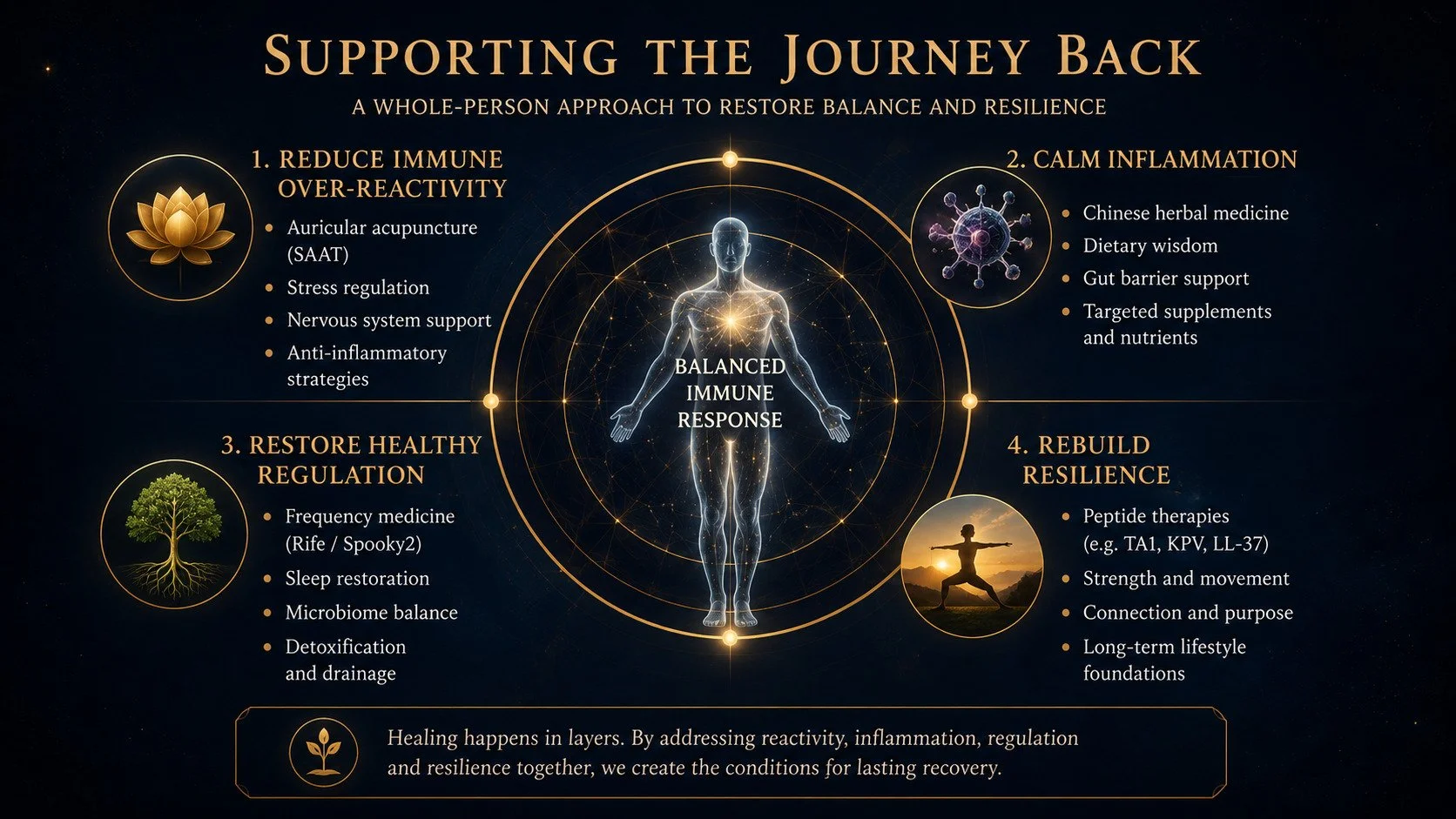
Recovery works in layers: easing immune reactivity, calming inflammation, restoring regulation, rebuilding resilience. Some elements shown — frequency medicine, peptides — sit on contested ground, and are offered as clinical exploration, not settled treatment.
Many patients arrive having been told avoidance is the only option. Avoid tick bites. Avoid mammalian meat. Carry an adrenaline injector if it comes to that, and learn to live with it. Those precautions matter. But they are not the whole story.
My own experience has left me considerably more hopeful.
I have worked with a steadily growing number of patients affected by alpha-gal, Lyme disease and related illness. Every person is different. Even so, many have seen real improvement, in symptoms, in resilience, in quality of life, through an integrative approach that supports the body's own capacity to regulate, repair and recover.
Recovery is rarely a straight line. It is more often a gradual return of balance, each layer of treatment building on the last.
One approach has shown promise in the literature: Soliman Auricular Allergy Treatment, or SAAT. Developed by Nader Soliman, it uses a single carefully placed needle in the ear, left in for several weeks. Elegantly simple. And it has gained a devoted following among practitioners treating alpha-gal.
Published case series report remission of symptoms in a good number of treated patients (137 patients, 96% remission), and in my own practice the responses have encouraged me. Controlled trials are still needed to confirm it. But it is one of the more promising developments I have met in this field, and I eagerly await more data.
Chinese medicine, more broadly, offers real support. Rather than treating alpha-gal as a single diagnosis, it reads the particular pattern of imbalance in each person.
Where the picture is a lingering pathogen caught between the exterior and interior of the body, a pattern I see often after tick bites, I have found formulas based on Xiao Chai Hu Tang useful, as part of a wider strategy. Others need strategies that strengthen the Spleen, nourish Blood, resolve Dampness, clear residual Heat, or address the deeper constitutional shifts a long illness leaves behind.
That individualisation is one of the medicine's great strengths.
Frequency medicine interests me as well, and anecdotally at least, seems to make a real difference. Technologies inspired by pioneers such as Royal Raymond Rife expose the body to specific electromagnetic frequency patterns chosen for the clinical picture.
This sits outside mainstream practice, and its mechanisms are still debated or flatly denied. I name that plainly.
Even so, I have seen enough clinically meaningful responses to believe the field deserves serious investigation. Whether these devices might work through bioelectromagnetic effects, nervous-system modulation, or something not yet understood is an open question. What matters in the room, in my own perspective, is careful observation, continual learning, and an honest reading of outcomes.
For patients whose alpha-gal forms part of a wider picture of immune dysregulation or autoimmune illness, I have also seen patients who choose to explore several emerging peptide therapies alongside their existing care. My attitude is one of harm-minimisation first, a conservative start low/go slow approach, patient autonomy in their healthcare, and weighing potential risks and benefits.
Among those that seem to be showing encouraging results in selected patients are Thymosin Alpha-1, KPV and LL-37. These signalling peptides are being studied for roles in immune regulation, host defence and tissue repair. The aim is not to switch immunity up or down, but to coax a healthier, better-regulated response.
Unfortunately due to the current regulatory environment, access to supply is an issue, both for therapeutic use, and rigorous study. I'm hopeful that this is a situation that changes in the near future.
In my experience, as with most things, they work best as one part of a broader strategy: nutrition, nervous-system regulation, gut repair, movement, stress reduction, and treatment of the person's underlying constitution.
Perhaps the greatest lesson these patients have taught me is how much the body can adapt.
The immune system can change. The nervous system can rewire. Inflammation can settle. Tolerance can improve. Vitality can return.
Progress usually unfolds over months rather than weeks, and no single therapy holds every answer. Yet again and again I have watched people move from fear and uncertainty toward confidence, resilience and a renewed enjoyment of life.
That, more than anything, is why I wanted to write this. Ticks deserve our respect. Alpha-gal syndrome deserves greater awareness.
Neither, though, is the end of the story.
With knowledge, patience, and an integrative approach drawing on the best of modern science, Chinese medicine and thoughtful clinical innovation, there is genuine reason for optimism.
Watch · Steven on the first consultation
Healing Begins Before the First Needle
Being heard properly is part of the medicine. Steven on what happens in the room before any treatment starts.
Removing a Tick Safely: Freeze It, Don't Squeeze It
🟢 Established Physiology
How you remove a tick matters as much as whether you remove it. Agitating one drives more saliva, and more sensitising protein, into the skin.
So for the Australian paralysis tick, kill it first rather than pulling it out alive. Apply an ether-based aerosol spray, Wart-Off Starter, Elastoplast Wound Spray, or a dedicated tick spray, straight onto the tick, give it several minutes to die, and let it drop away on its own. For tiny larval ticks, permethrin cream is better.
Do not use heat, methylated spirits, petroleum jelly, or other household substances that irritate a live tick before it is dead. If you have a known tick allergy, carry an adrenaline auto-injector and seek medical care promptly.
The line worth remembering: freeze it, don't squeeze it.
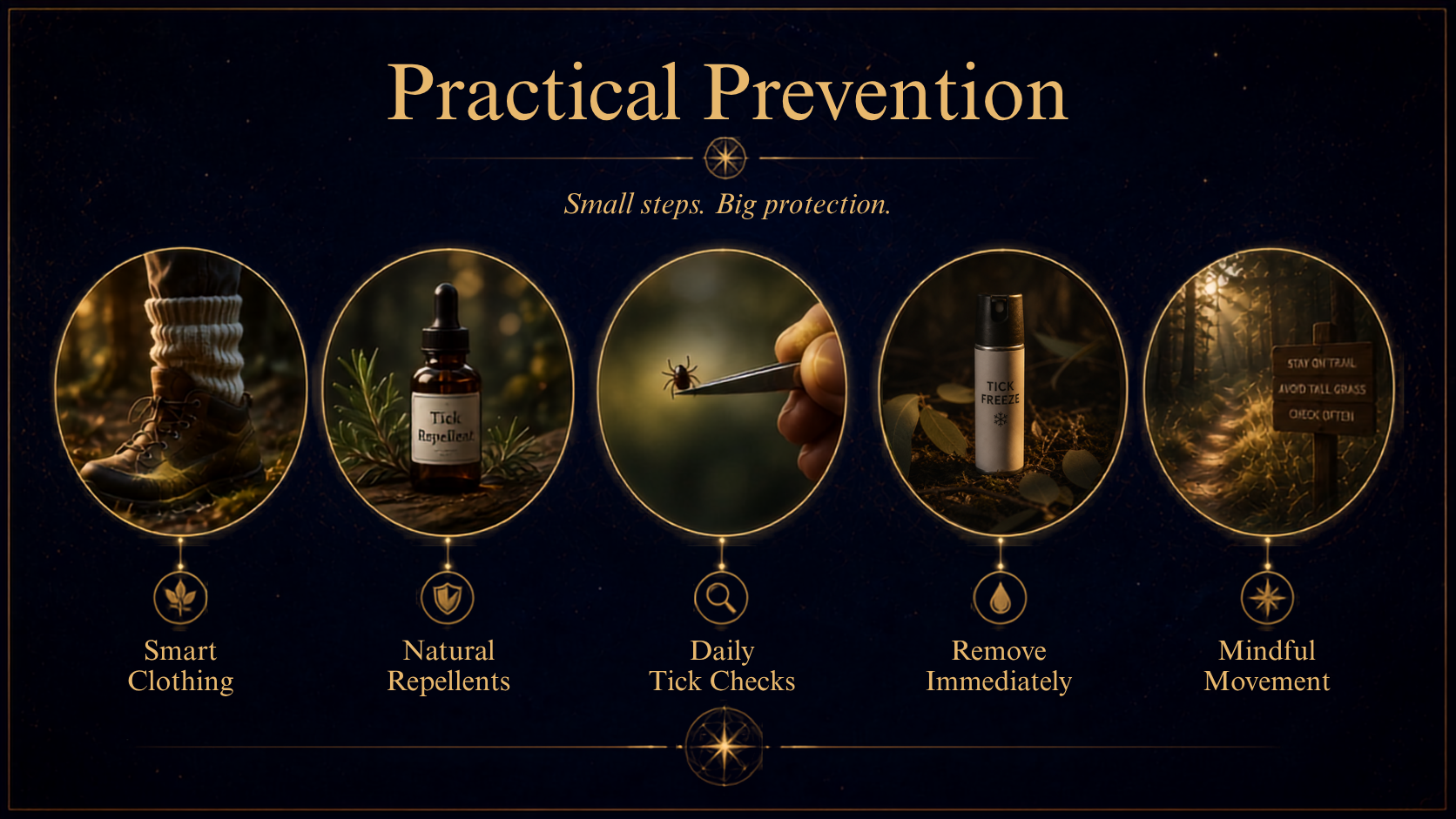
Practical prevention: cover up, use a repellent, check daily, remove promptly, and stay on the trail
Old Bush Wisdom
Long before commercial repellents, Australian farmers, timber workers and old bushmen worked out their own ways of avoiding ticks.
One I heard again and again growing up was to dust a little elemental sulphur powder into your socks before heading into long grass. Sulphur has a long history as an insect and mite repellent, and many old hands swore by it. Experience, tradition, or both, it became part of the knowledge passed down the generations.
Another fixture in the back of the shed was mineral turpentine, kept on hand for pulling attached ticks. A lovely part of Australia's bush heritage, though our understanding has moved on, and the freeze-it-don't-squeeze-it method above has replaced it.
Still, I enjoy the old stories. Long before modern medicine had the answers, people living close to the land were watching nature closely, trading what worked, and handing it on.
The Bigger Picture
Step back from the single tick bite, the lab test, the treatment plan, and a much broader picture appears.
Human beings never evolved in isolation. Our story has always been one of relationship: with the forests that sustain us, the animals we share the world with, the microbes inside us, and the countless forces, visible and invisible, that shape life on Earth.
Ticks are one expression of that web. They remind us evolution is not a peaceful march toward perfection. It is a constant conversation between challenge and adaptation, disruption and resilience.
Across many wisdom traditions runs another theme: parasitism that reaches beyond biology.
Chinese medicine spoke of Gu. Indigenous traditions described intrusive influences that drain vitality. Mystical schools wrote of parasitic patterns of thought and emotion that feed quietly on fear, division and unconsciousness. Modern psychology, in its own words, knows compulsive patterns, trauma loops and self-perpetuating beliefs that seem to gather a momentum of their own.
Metaphor, archetype, subtle energetic reality, or simply a useful way of describing experience: each of us can decide. What strikes me is the convergence.
Cultures separated by oceans and millennia keep arriving at the same observation. Not everything that drains us is physical. And real healing often asks us to reclaim our own centre.
Perhaps that is one of the deeper invitations in an illness like alpha-gal. It presses us to pay closer attention, to our bodies, our environment, our relationships, our choices, and the quiet signals that come before illness. It asks for discernment rather than fear, awareness rather than hypervigilance, participation rather than passivity.
Healing becomes more than the disappearance of symptoms. It becomes a return to coherence.
Despite the complexity of chronic illness, I remain profoundly optimistic. Every day in clinical practice I witness the extraordinary intelligence of the human organism. Wounds heal. Bones remodel. Nerves adapt. The immune system learns, remembers and, given the right conditions, can learn again. The body is not a machine waiting to be repaired. It is a living, dynamic, self-organising system whose natural inclination is always towards balance, adaptation and life.
That innate healing intelligence is, in my view, the most important medicine of all. Every therapy, whether acupuncture, nutrition, herbal medicine, movement, meditation, peptide therapy or another modality, ultimately seeks the same goal: to remove obstacles, restore communication and create the conditions in which the body's own wisdom can express itself more fully.
Ticks deserve our respect. They also deserve perspective. They are one challenge among many that humanity has encountered throughout its long evolutionary journey. We have adapted before. We continue to adapt now. I have every confidence that, through curiosity, collaboration, careful science and an enduring respect for the remarkable intelligence woven into every human being, we will continue to do so for generations to come.
Perhaps that is what health really is: not the absence of challenge, but the gradual recovery of discernment. The immune system learning what belongs. The nervous system remembering what is safe. The mind recognising what deserves its attention. And the person, after all that illness has taken, finding their way back into relationship with the world.

The body knows more than we give it credit for. And it has been trying to tell us, all along.
Notes and references
Alpha-gal mechanism/delayed reaction → ASCIA — Mammalian Meat and Tick Allergy
Australian prevalence † → Van Nunen, MJA 2018 — Tick-induced allergies: mammalian meat allergy and tick anaphylaxis (208(7): 316–321)
SAAT case-series remission † → PMC8729907 — Medical Acupuncture, 2021 (137 patients, 96% remission)
Ixodes holocyclus / antiserum history → Padula, Leister & Webster, Aust Vet J 2020;98(1-2):53-59
Xiao Chai Hu Tang (Shao Yang / lingering pathogen pattern) → Me & Qi — Xiao Chai Hu Tang
Peptides (Thymosin Alpha-1, KPV, LL-37) → Thymosin Alpha-1 · LL-37 · KPV
FAQ
-
Yes. A single tick bite can trigger a lifelong allergy to red meat. The allergy develops when proteins in tick saliva sensitise the immune system to alpha-gal, a sugar found in all mammalian meat. Australia has among the highest rates of this condition in the world.
-
Sometimes. Sensitivity can fade over time, particularly if further tick bites are avoided, though this varies considerably between individuals and some people remain sensitive long-term. A specialist assessment is recommended to guide expectations and management.
-
Chinese medicine approaches alpha-gal syndrome as a pattern of systemic imbalance rather than a single diagnosis, which allows for individualised treatment. Common patterns following tick bites include lingering pathogenic factors, residual Heat, Dampness, Blood stasis and deficiency affecting the Spleen, Liver and Kidney systems, and formulas such as Xiao Chai Hu Tang are often used where the pattern fits. The condition parallels what classical Chinese medicine calls Gu syndrome.
-
Soliman Auricular Allergy Treatment (SAAT) is an ear-acupuncture technique using a single semi-permanent needle placed for several weeks. A published case series of 137 patients reported a 96% remission rate for alpha-gal symptoms. Larger controlled trials are still needed, but it is currently one of the most promising options for a condition conventional medicine otherwise manages only through avoidance.
-
For the Australian paralysis tick, kill the tick first rather than pulling it out alive. Agitating or compressing a live tick triggers a surge of saliva and raises the risk of sensitisation or a reaction. Apply an ether-based aerosol spray, wait several minutes until the tick is dead, then let it drop away. Use permethrin cream for tiny larval ticks. If you have a known tick allergy, seek medical care promptly. Freeze it, don't squeeze it.
-
Tick exposure is possible year-round in eastern Australia, though adult ticks are most prevalent from July through December. Ixodes holocyclus is found in a band running from north Queensland through the Northern Rivers and down the NSW coast, generally within about 60 kilometres of the coast.
-
Gu syndrome (蠱) is a classical concept describing chronic illnesses that burrow deeply into the body’s regulatory systems, resist ordinary treatment, and gradually undermine vitality, clarity and spirit. The character depicts venomous creatures sealed in a vessel until something dangerous emerges, a vivid image for the autonomous, self-perpetuating quality of these conditions. Many practitioners see parallels with modern chronic tick-borne illness.
-
Symptoms typically appear three to six hours after eating mammalian meat, often overnight. They range from hives, itching and gastrointestinal upset to swelling, wheeze and, in severe cases, anaphylaxis. Because the reaction is delayed, many people never connect it to a meal eaten hours earlier — which is often what brings them into clinic still without a diagnosis.
-
Diagnosis usually combines a detailed history of symptom timing, tick-bite history in a tick-endemic area, combined with delayed reactions to red meat, strongly supports the diagnosis. A simple blood test (alpha-gal "RAST" Radioallergosorbent test) for alpha-gal specific IgE antibodies is the most direct way to rule it in or out.
-
No. Alpha-gal syndrome is an allergy, not an infection — it develops when the immune system reacts to a sugar molecule after a tick bite, rather than to a transmitted pathogen. Lyme disease, by contrast, is caused by Borrelia bacteria. The two can follow the same tick bite and share some diagnostic difficulty, which is part of why they're often discussed together in this piece.
-
Yes. The Australian paralysis tick is a serious hazard for dogs and cats as well as humans, and can be fatal without treatment. Tick antiserum, developed in the 1930s, remains the primary specific treatment available to veterinarians, alongside advances in veterinary critical care that have improved survival rates over the past century. If you have pets in a tick-endemic area, daily checks and preventatives are essential alongside your own precautions.
-
For some patients whose alpha-gal forms part of a wider picture of immune dysregulation, emerging peptide therapies such as Thymosin Alpha-1, KPV and LL-37 are being explored alongside existing care. These signalling peptides are studied for roles in immune regulation, host defence and tissue repair, though access remains limited under the current regulatory environment and they are best considered one part of a broader strategy rather than a standalone treatment.
-
Yes. Private sessions at the Byron Bay clinic address the full range of presentations discussed here, including alpha-gal syndrome, Lyme-like illness and post-tick immune dysregulation. Sessions integrate transpersonal acupuncture, Chinese herbal medicine, auricular acupuncture, frequency medicine and nutritional support, individualised to each person's pattern.