A body, a lifetime
PROJECT 009 · The Steven Booth Journal
On ageing, finding your calling, and the people who accompany us through change.
Steven Booth · Transpersonal Acupuncture · Byron Bay
The Five-Second Answer
What does Chinese medicine say about ageing well?
Beyond the Daoist focus on longevity, it also asks a different question. Instead of how to stay young, the classical idea of Yang Sheng, nourishing life, asks what this person needs, in this body, at this stage of their life. The answer changes as we do. It can mean rest, movement, company and care, and sometimes it means making room for a new purpose. Lisa Dominey found hers at 58.
The Evidence Guide
Throughout this article you'll see ideas drawn from several different traditions of knowledge.
🟡 Classical Chinese Medicine Ideas drawn from the classical literature and long-standing clinical practice.
🔵 Clinical Observation Patterns commonly observed in practice over many years but difficult to isolate in controlled studies.
⚪ Contested Ground Ideas and observations that sit beyond the current consensus, where the evidence is building, the mechanisms are debated, or institutions have not yet caught up with what practitioners are seeing.
In This Piece You Will Find
What Yang Sheng, or nourishing life, means for ageing in the body you have
Why "ageing gracefully" can feel like pressure, and a kinder question to ask instead
What a Death Walker does, and why the role is also called a death doula or end of life doula
How transpersonal counselling makes room for meaning when illness changes things
Who the woman in the photographs on this website is
This essay covers ageing and body image, the Chinese medicine idea of Yang Sheng, finding a calling later in life, the work of a Death Walker, and making room for meaning when illness changes things.
From birth doula to Death Walker. There's a whole life between those two words.
Meet Lisa Dominey, the woman you'll recognise in many of the photographs on my new website.
Lisa spent years supporting women through birth. At 58, she felt called towards the other end of life, and joined Paperbark Deathcare and Funerals, in death care.
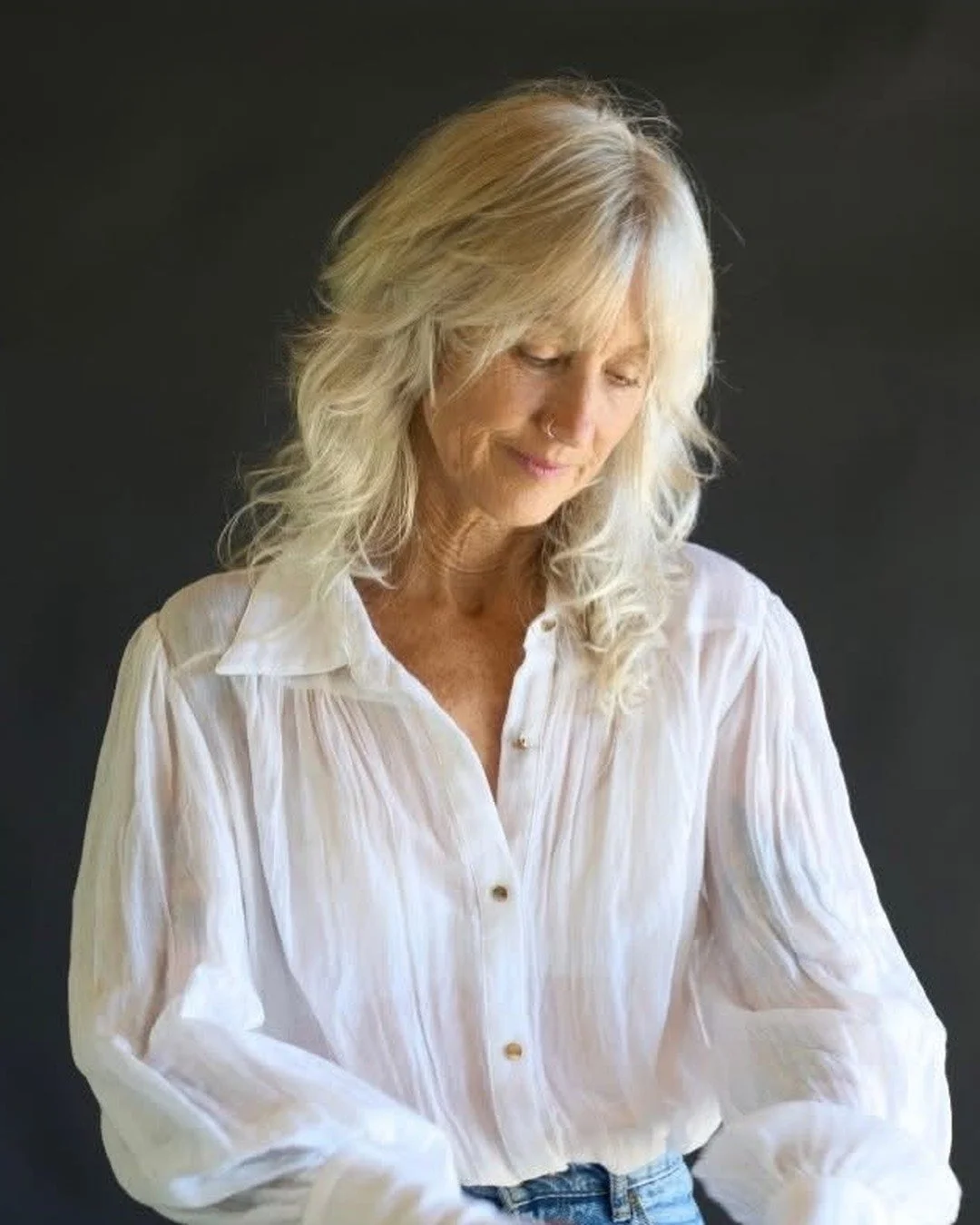
She explains in her own words:
“You think you know the shape of your life. You've gathered decades of experience, learnt along the way, lived disappointments, celebrated achievements, and mostly made peace with the idea that some dreams will just belong to a younger version of yourself. Then unexpectedly something whispers your name … softly at first but then loudly enough that it can't be ignored.”
There was uncertainty in saying yes. She wrote about stepping out of her comfort zone and feeling her world expand, alongside "a humbling sense of doing something that matters in the world".
What stayed with me was her sense of readiness. At 58, everything she had gathered was becoming part of what she could offer.
“You realise that at 58 it's not too late, just that you are finally ready to be the person that your soul's work has been waiting for.”
That is felt in the way she carries herself. And it is part of what Lisa brought to these photographs.
The body we have lived in
🔵 Clinical Observation
Lisa has written about a visit she made to a plastic surgeon thirty years ago, to talk about breast augmentation. At the time she believed changing her body would help her feel more feminine, more comfortable in her clothes and happier in herself. The surgeon looked her in the eye and said, "I can certainly do this procedure for you, but I don't want to." He explained that she was naturally built small, that her frame wasn't designed for larger breasts, and that implants would strain her body. Then he said something she has never forgotten: "You are as you are meant to be." She writes, "Thankfully, I listened."
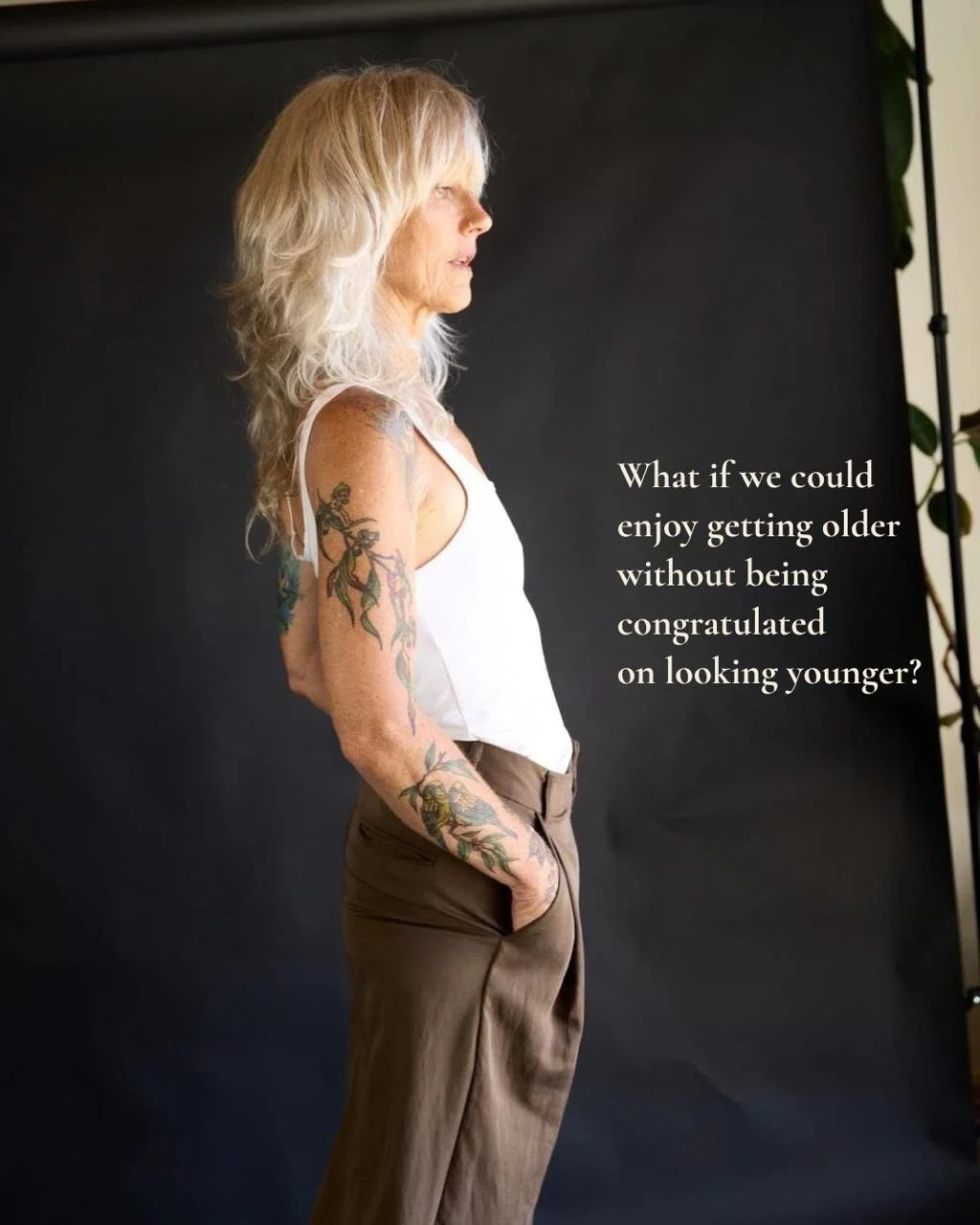
What interests me most is how she describes her body now.
“Instead of focusing on how my body looks, I find myself grateful for what it has done.”
She writes about carrying and giving birth to two children, nourishing them, living through challenges and still enjoying an active life.
“It has never needed to be perfect, it has only ever needed to be mine.”
Many of us spend years looking at our bodies as though we are standing outside them, assessing the shape, the weight, the parts that don't match what we think they should be. It can take a long time to recognise the body as something we live through, with a history that deserves our attention too.
Lisa puts it this way:
“Ageing hasn’t made me care less about myself at all, it’s taught me to value the things that matter … health, strength, gratitude, authenticity and heart.”
What does it mean to age gracefully?
🟡 Classical Chinese Medicine
Within the daoist practices, there are highly advanced longevity strategies and practices - however, with everything, there can be a tendency for these to become obsessive. I find myself hesitating over the phrase "ageing gracefully". There can be a strange pressure in it, as though we are expected to manage getting older attractively and without too much complaint.
There are changes we welcome, and others we find hard. We might feel more at home in ourselves while missing the ease we once moved with. We might care less about someone else's opinion and still feel unsettled by our reflection.
Gratitude and grief can exist together: the “Grief as Praise” work of Martin Prechtel is particularly poignant. For me, it has helped in reframing, and easing the shift through times of loss and despair, towards an expression of deep honouring of what has been. Internally, appreciating what a body has done doesn't remove the frustration of pain, tiredness or losing an ability we once took for granted. Gratitude, however, can provide an antidote, a remedy, and perspective shift.
What I find beautiful in Lisa's words is the growing ease of belonging to herself. She describes wearing what feels comfortable, moving because she enjoys it, and spending less time wondering what others think. That leaves more attention for living.
In Chinese medicine there is a tradition called Yang Sheng, usually translated as nourishing life. The idea runs back through the classical texts, where the question was never how to stay young but how to live well in the body you have, season by season. I find it a useful place to start when thinking about ageing. Beyond the life-span and health-span extending practices, this framework provides guidelines for living well, conserving lifeforce through right-relationship with nature, and where directing energy and attention are placed - on what is truly valuable and nourishing.
What nourishes this person, in this body, at this stage of their life?
The answer to the ‘how to live well’ question changes, depending on where you are at. It might involve movement, food, rest, company or a different relationship with work. It asks us to notice the life we are actually living and respond to it. The body we have today deserves care, even when it behaves differently from the one we remember.
And, as Lisa's experience suggests, nourishing life can include making room for a new purpose. Something that asks more of us, at an age when we might have expected to ask less of ourselves.
When illness changes the conversation
🔵 Clinical Observation · ⚪ Contested Ground
In my work with acupuncture and transpersonal counselling, physical symptoms usually open into much wider conversations.
Someone comes in with discomfort or exhaustion. Alongside that may be worry about the future, frustration at needing support, or grief for something they can no longer do. The wellness-based approaches focus on enhancement, and trust in nature’s innate healing capacity, rather than pathologisation or only looking through the lens of ‘patterns of disharmony.’
There is the illness itself, and then there is everything it means to the person living through it. Both deserve care. Working with the spirit, or ‘shen’, offers a powerful way to shift someone's internal subjective experience in a positive way.
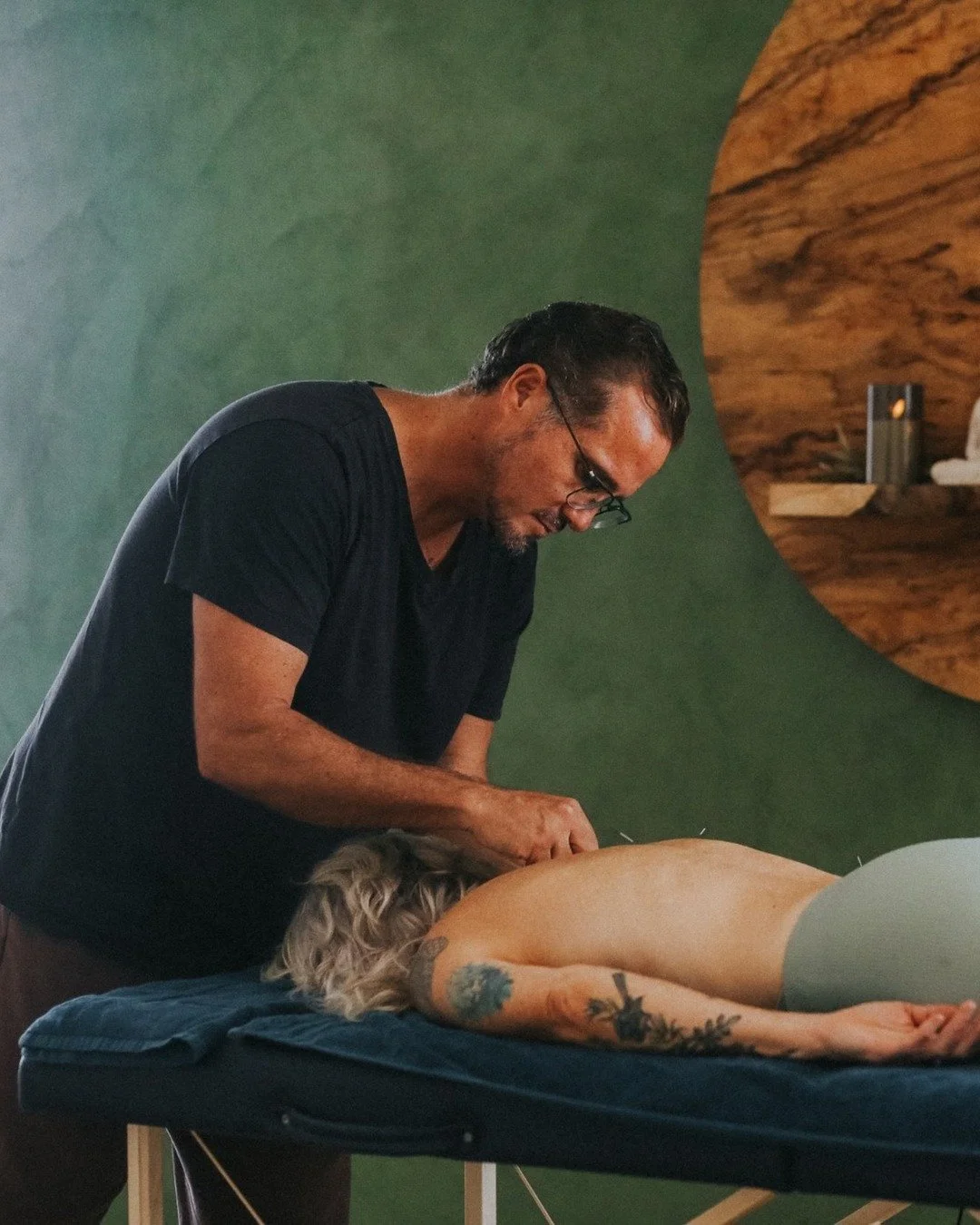
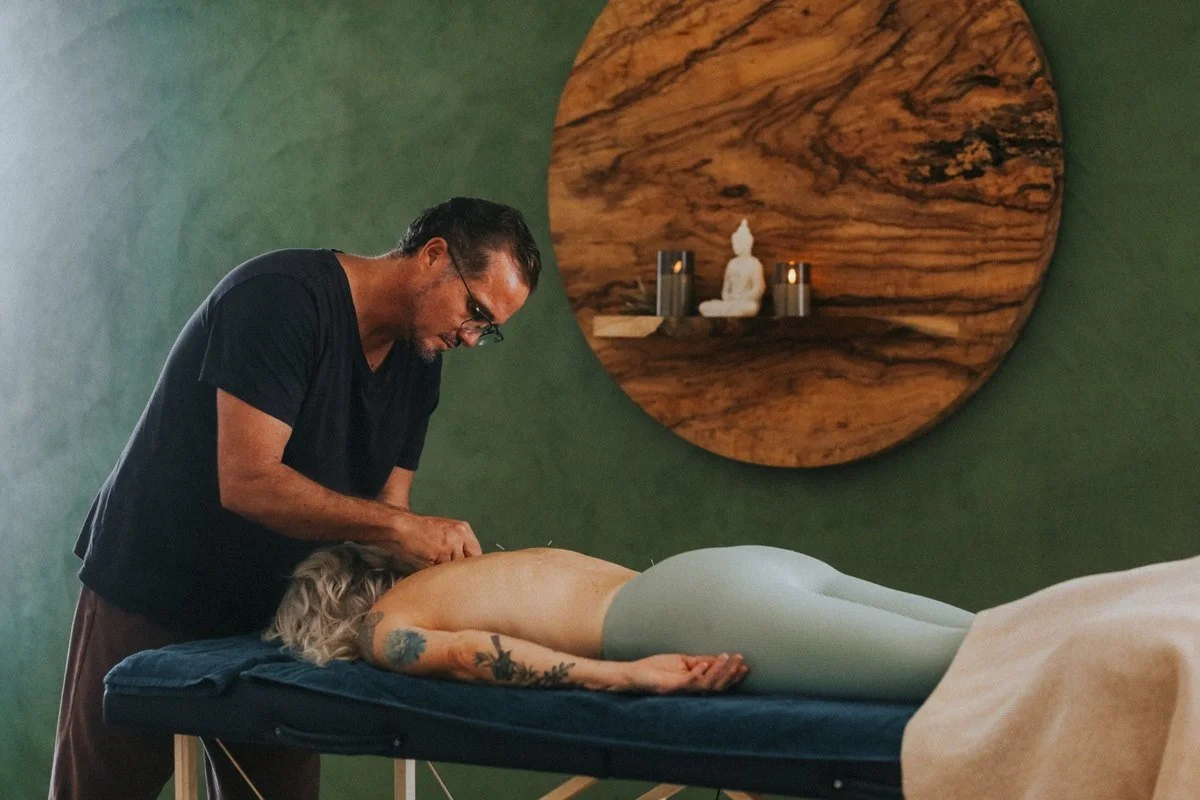
Acupuncture, due to its philosophic roots and advanced methodology, has a growing place in that kind of care.
Hospices in the United Kingdom have used it for years, and reviews of the research find emerging evidence that it can help with symptoms common near the end of life, such as pain, nausea, breathlessness and fatigue, alongside medical treatment rather than instead of it. What it supports is a plainer idea: that comfort and presence are part of care, not extras.
We’re seeing through clinical trials in psychedelic research that the internal changes experienced in non-ordinary states of consciousness can create profound changes. Clinical trial findings in Australia into psilocybin for end of life anxiety revealed rapid, significant, and sustained reductions in depression, anxiety, and existential hopelessness, alongside deep improvements in quality of life, spiritual wellbeing, and acceptance of death.
If you have always been ‘the capable one’, needing help can be confronting. If your work has given you a strong sense of who you are, being unable to do it can leave you wondering where you belong. Even a temporary change in health shows how much certainty we have placed in our bodies carrying on as they are.
Transpersonal counselling gives room to questions of meaning, identity and connection. Who am I in the middle of this? What matters to me now? Where do I find support when the familiar ways of managing are no longer enough?
Those questions sit as a central focus, rather than merely alongside, the practical work of caring for symptoms and getting the right treatment. A person should be able to say they are frightened or discouraged without feeling they have failed to be positive.
Sometimes what matters in a session is having enough time to say what has been hard to tell anyone else. Sometimes a person begins to see a change they want to make, or something they have wanted for years and never given themselves permission to consider.
That is where Lisa's account of finding her calling speaks to my own work. A changing sense of who we are can be unsettling. It can also make room for something that now feels deeply worthwhile.
Being with someone at the other threshold
⚪ Contested Ground
Death belongs in this conversation too.
It can be hard to speak about, even with the people we love. We worry about upsetting someone, saying the wrong thing, or admitting how frightened we are. Yet silence can leave people carrying those feelings alone.
A Death Walker walks the whole process with someone as they approach the end of life, and with the people close to them, offering companionship and support. The work makes room for the person, their wishes, and the emotional and practical concerns that gather around dying.
Lisa calls herself a Death Walker. You may have heard the term death doula, but she prefers a name that holds the whole journey, the weeks and months of walking beside someone and their family, not only the moment of passing. The role is new enough that researchers are still mapping it. Flinders University's Research Centre for Palliative Care, Death and Dying has been studying end of life doulas in Australia for several years, and found that bereaved families who used one described the experience as overwhelmingly positive, saying it gave them the practical and emotional footing to care well at the end. The same researchers found that many health professionals still do not understand what the role involves. That is partly why I wanted to write this.
Lisa's move from birth work to death care brings the two ends of life into view. They are very different experiences, but both can leave people vulnerable, uncertain and in need of someone willing to be present.
Lisa does this work at Paperbark Deathcare and Funerals in Murwillumbah, a small, women led funeral home where families can be present at every stage and can keep their person at home for a vigil before the funeral. That is a different way of doing death, and it is the same shift Lisa made herself, from being present at the beginning of life to being present at its end. I want to acknowledge them here, because this is work a whole community depends on, even if most of us know nothing about it until we need it.
My work is different from Lisa's. What I recognise in hers is the willingness to accompany someone through an experience we cannot simply take away. To listen without rushing towards reassurance. To let a difficult conversation happen. To remember that the person in front of us has preferences, relationships, humour and a lifetime of experience, whatever is happening to their body.
Thinking about death also brings me back to living. What deserves my attention? Who do I want to spend time with? What am I still putting off?
Lisa's story adds another question:
What might I be ready for now that I couldn't have done earlier?
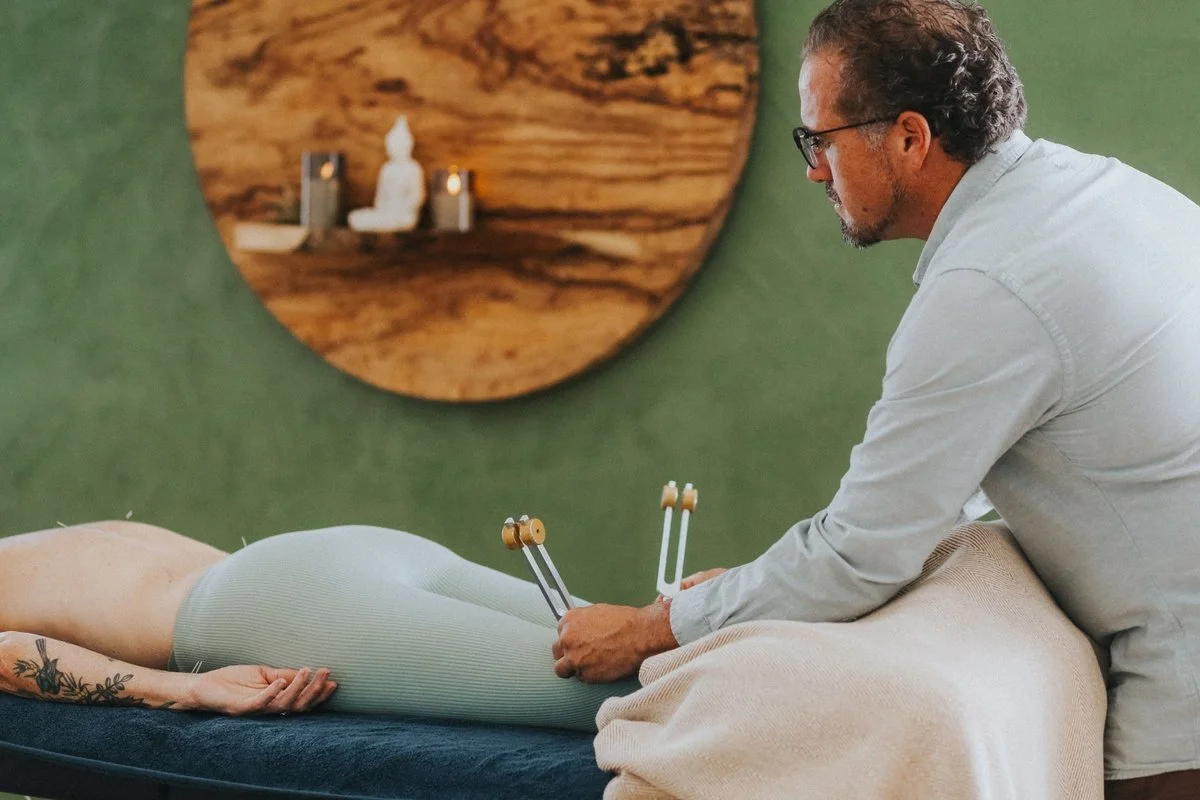
The person in the photographs
When it came to the website, I wanted the photographs to carry something of being in the room with me.
Lisa brought her own life into those images. She is a mother and grandmother, a woman finding new purpose, and someone whose work has taken her close to the beginning and the end of life. Knowing that changes how I look at these photographs.
It matters to me that people can see a woman of Lisa's age there, in a field where so much imagery is given over to youth. Her presence belongs at the centre of the picture.
A practice concerned with how people move through change should have room for the years they have already lived. For the body that has carried children, worked, loved, recovered, struggled and continued. For the person still discovering what they want to do next.
At 58, Lisa found herself ready for work that mattered deeply to her. I'm grateful that she also said yes to being part of mine.
Thank you, Lisa, for bringing yourself to these photographs, and for sharing the words that led to this piece.
Photographs by Camila Tassino, at Open Sky Wellbeing, Mullumbimby.
With thanks to Lisa Dominey (@lisadominey_age_positive), Deathcare Worker, Funeral Arranger and Ceremonialist, and to Paperbark Deathcare and Funerals (@paperbarkdeathcare).
Read next
Chapter Gate (The Pulse, No. 4)
I don't want to calm you down (The Pulse, No. 5)
Frequently asked questions
What is a Death Walker?
A wise, experienced, compassionate, non medical companion who walks the whole process with a person approaching the end of life, and with their family. The role is also called a death doula or end of life doula. The work covers presence, practical help, advance care planning and, sometimes, sitting with the dying person in the last days, and supporting those who are left behind.
How is a Death Walker different from palliative care?
Palliative care teams look after symptoms, medication and medical decisions. A Death Walker is not medical. Their job is companionship, practical support and helping the person and their family say and do what matters to them. The two work alongside each other.
What does Yang Sheng mean?
Nourishing life. A classical Chinese medicine idea about living well in the body you have, at the age you are.
What does it mean to age gracefully?
The phrase can carry a pressure to get older attractively and without complaint. A kinder question is what this body needs at this stage of life. That leaves room for gratitude for what the body has done and grief for what has changed.
What is transpersonal counselling?
Counselling that makes room for meaning, identity and the experiences people have that do not fit a standard explanation. Steven trained in it in 2007-2008, after his first five years of clinical practice, and realising the need not just for the therapeutic skills, but for a malleable framework for greater understanding.
Who are the people in the photographs on this site?
Many of them show Lisa Dominey, photographed by Camila Tassino at Open Sky Wellbeing in Mullumbimby.
Notes and references
Lisa Dominey, her own posts quoted in this essay, with her permission.
Paperbark Deathcare and Funerals, Murwillumbah.
Open Sky Wellbeing, Mullumbimby.
Rawlings et al, Experiences of engaging a death doula, Flinders University, 2023.
Rawlings et al, End of life doulas: a qualitative analysis of interviews with Australian and international death doulas on their role, 2020.